An Ushpizin poster is an illustrative representation celebrating the Jewish holiday of Sukkot. It often features images of traditional guests, or "ushpizin," which play a significant role in this festive period. These posters are not just decorative pieces; they embody a rich cultural and religious history that dates back centuries, offering a visual feast that enhances the festive atmosphere.
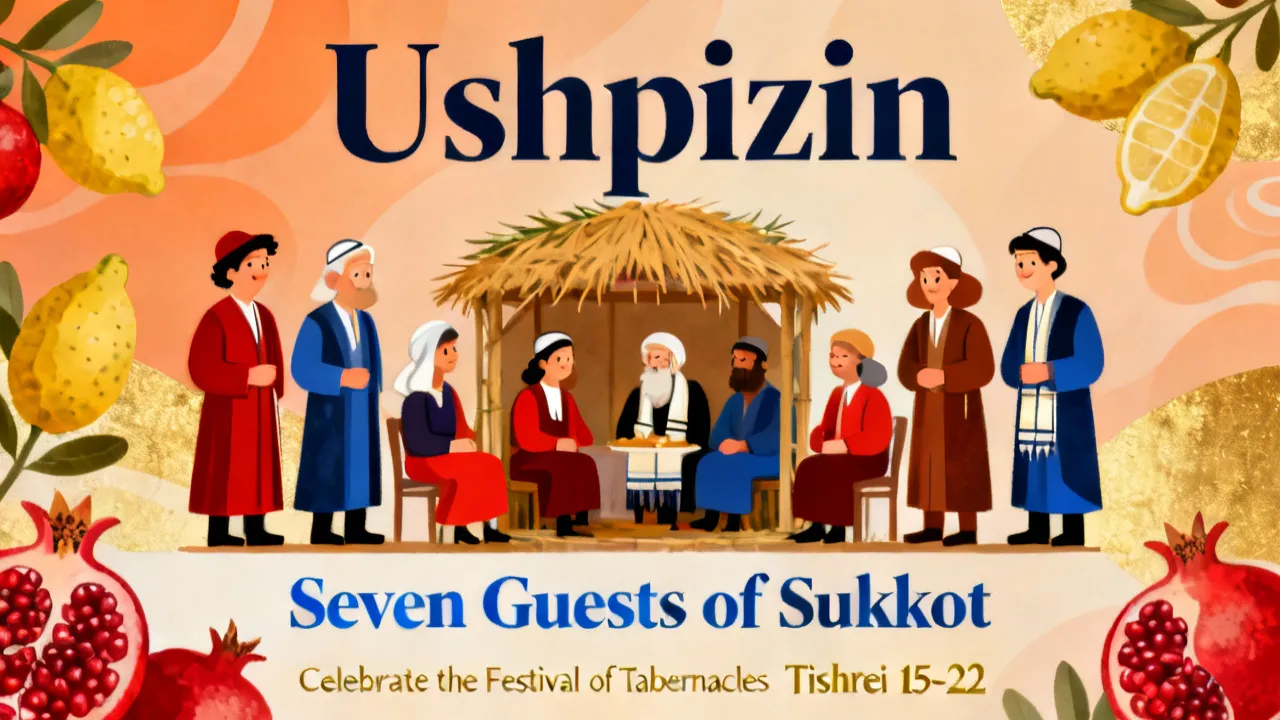
The Ushpizin poster is an artistic depiction associated with the Jewish festival of Sukkot, prominently showcasing the "ushpizin," or traditional guests. The term "ushpizin" originates from Aramaic, meaning "guests," and refers to the seven revered biblical figures historically invited into the sukkah, a temporary hut constructed for the holiday. These figures include Abraham, Isaac, Jacob, Moses, Aaron, Joseph, and David, who symbolize hospitality and the fulfillment of divine commandments. This tradition of honoring these figures has resonated through generations, allowing the Ushpizin poster not just to exist as art but also as a deeply meaningful element of the celebration.
Historically, Sukkot is a time to commemorate the 40 years Jews spent wandering in the wilderness after the exodus from Egypt. This period was marked by uncertainty, but it also emphasized faith, community, and trust in divine providence. The act of decorating the sukkah with posters, including Ushpizin posters, enhances the spiritual ambiance and reflects a deep-rooted tradition of welcoming these symbolic guests. It serves as a reminder of the values of generosity and togetherness, which are key components of the holiday's celebration. For many, the presence of these figures through the posters reinforces their connection to their ancestors and their enduring stories.
Typically, Ushpizin posters are characterized by vibrant imagery and rich symbolism. The posters often incorporate artistic renditions of the biblical figures, surrounded by themes of bounty and harvest, which are central to Sukkot. Some popular design elements include representations of the four species—etrog (citron), lulav (palm frond), hadas (myrtle), and aravah (willow)—used during the holiday prayers. Each of these species holds significance, representing different parts of the Jewish community and their connection to nature and creation. For instance, the etrog symbolizes the heart, the lulav symbolizes the spine, the hadas symbolizes the eye, and the aravah symbolizes the lips. Together, they create a holistic image of a unified community united in worship.
Ushpizin posters can vary widely in their artistic styles and interpretations, dependent on cultural backgrounds, personal artistic expression, or intended audience. From traditional depictions that may stay faithful to ancient texts and styles to contemporary pieces featuring modern designs and motifs, there exists a vast array of options for those seeking to enhance their Sukkot celebrations. Some artists approach the creation of Ushpizin posters with a focus on stained glass aesthetics, incorporating bold colors and sharp contrasts, while others may opt for softer pastels and watercolors that evoke a sense of peace and tranquility.
Moreover, multimedia approaches can also be utilized to create Ushpizin posters that incorporate digital art, photography, or even interactive elements that engage viewers in unique ways. For instance, some modern interpretations may include QR codes linking back to online resources about Sukkot, the meanings behind the biblical figures, or even interactive storytelling experiences related to the festival.
In addition to their decorative value, Ushpizin posters can provide a focal point for different activities and celebrations during Sukkot. For instance, families may gather in the sukkah to share stories related to the biblical figures depicted in the posters or discuss their virtues. This practice can be particularly meaningful for children, who can learn about their heritage and foster a deeper understanding of the relationship between their ancestors and their faith.
Moreover, organizers may use Ushpizin posters as conversation starters during communal Sukkot dinners, where different guests can share their interpretations of the figures. Such discussions not only promote engagement but also strengthen community ties, reinforcing the values of hospitality and openness that Sukkot embodies.
In certain cultures, it is not uncommon for families to craft their own Ushpizin posters as a collaborative project. This hands-on approach not only personalizes the decorations but also allows for a shared family experience that reinforces bonds and instills traditions in future generations. Joint creative efforts can lead to rich discussions, learning opportunities, and an exploration of Jewish art traditions that can pass down through the years.
As society evolves and artistic expressions change, the Ushpizin poster has also seen modern interpretations that reflect contemporary beliefs and aesthetics. For example, modern artists might incorporate themes from current events, socio-political movements, or environmental concerns into their depictions of the Ushpizin. This trend introduces a unique layer of relevance, allowing viewers to connect the ideals represented by the biblical figures to present-day issues and challenges.
Additionally, the vibrant colors and varying materials used in modern Ushpizin posters can alter the traditional feel of the sukkah while still honoring its historical significance. Artists might use mixed media, integrating fabrics, natural elements, and even technology to breathe new life into a traditional concept. This openness to interpretation means that Ushpizin posters can appeal to a broader audience, from those seeking to maintain tradition to others eager for contemporary expressions of cultural heritage.
The Ushpizin poster encapsulates centuries of Jewish traditions and values, rendering it an indispensable element of Sukkot celebrations. Understanding its cultural and religious contexts not only enriches the observance but also ensures this treasured legacy is preserved for future generations. As Sukkot nears, selecting or crafting an Ushpizin poster becomes an opportunity to reaffirm one’s connection to a rich spiritual heritage and to engender a sense of joy and reflection among those celebrating. By embracing both traditional and contemporary interpretations of the Ushpizin, communities can uphold their heritage while also making it relevant in today’s world.
In a constantly changing environment, the integration of new artistic approaches, personalization, and community engagement ensures that Ushpizin posters will continue to play an essential role in Sukkot celebrations for years to come. As families gather in their sukkahs, under the guiding presence of their honored guests, they are reminded not only of their collective past but also of the hope and potential for future unity and connection.
Striking the Perfect Balance: Navigating Premiums and Out-of-Pocket Expenses in Senior Insurance Plans

Explore the Tranquil Bliss of Idyllic Rural Retreats

How to Make Lasting Memories at Disneyland Attractions

Affordable Phones and Plans for Seniors

Affordable Full Mouth Dental Implants Near You

Unlock the Top Kept Secrets to Finding Your Ideal Dentist for Flawless Dental Implant Results!

Discovering Springdale Estates

Unveiling RS Sul Telecom Services

The Guide to Car Trading

Understanding the Ushpizin Poster
An Ushpizin poster is an illustrative representation celebrating the Jewish holiday of Sukkot. It often features images of traditional guests, or "ushpizin," which play a significant role in this festive period. These posters are not just decorative pieces; they embody a rich cultural and religious history that dates back centuries, offering a visual feast that enhances the festive atmosphere.
